
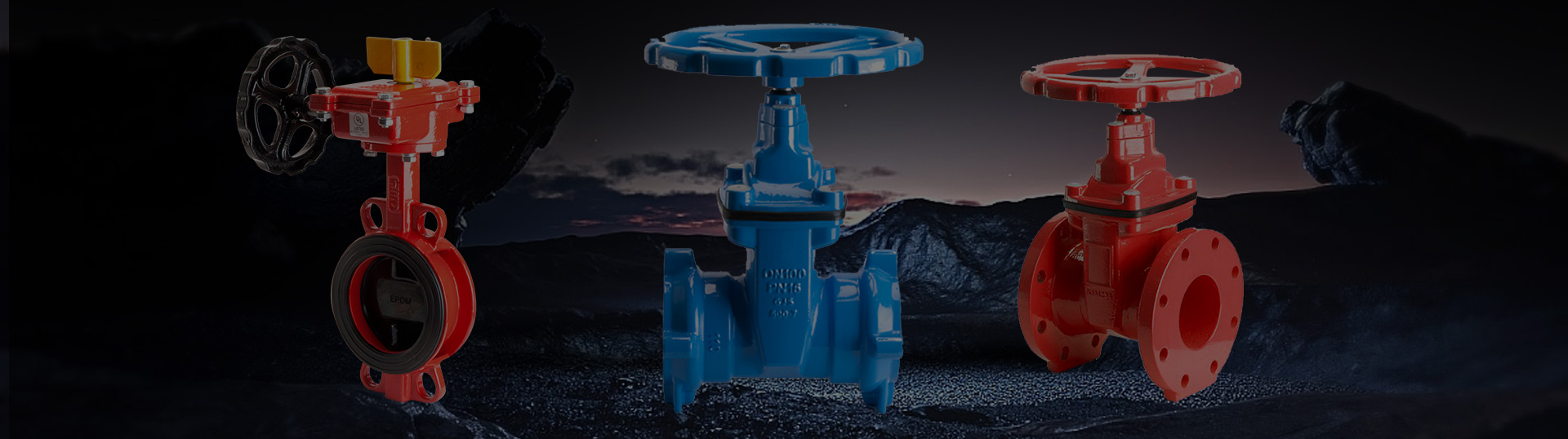
With the continuous development of society and the economy, the importance of fire protection water supply engineering is increasingly prominent in ensuring the fire safety of buildings. Speaking of which, we must mention our fire protection pipe fittings, whose three key performance characteristics guarantee our safety. Below is a detailed introduction.
The three resistances mainly refer to corrosion resistance, blockage resistance, and rust resistance. Fire protection pipe fittings can adapt to harsh working environments such as acids, alkalis, and salts, are not easily reacted with chemicals, and have stable chemical properties.
In terms of design, they are rationally designed, ensuring smooth flow and preventing blockages. They are not afraid of humid environments and will not rust even when in contact with water.
Fire protection pipe fittings use reducing elbows, which have three main advantages: pressure resistance, low-temperature resistance, and environmental friendliness. Reducing elbows can extend the service life of pipe fittings and enhance their pressure and impact resistance. They prevent freezing and cracking even in cold winter conditions, effectively protecting the pipe fittings. Furthermore, reducing elbows can be recycled and reused, protecting the environment.
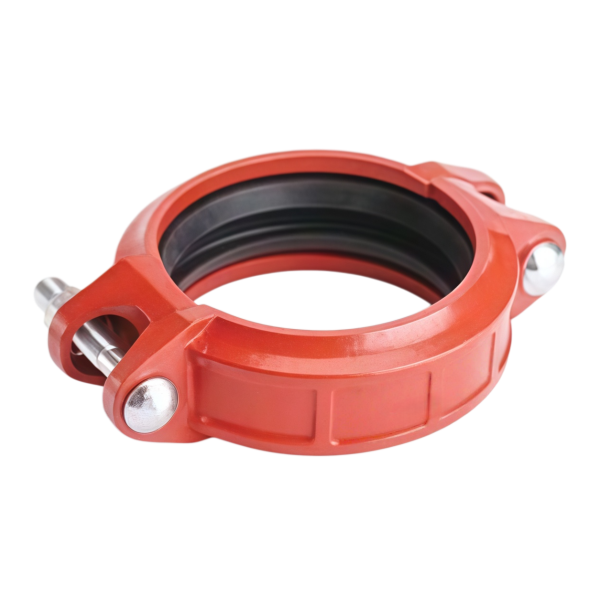
Fire protection pipe fittings offer advantages such as fast connection and simple installation: high toughness, good seismic resistance, ease of operation, stable performance, resistance to thermal expansion and contraction, and good tensile and bending resistance. Operation is simple and convenient, and after-sales service is also comprehensive. They can operate normally under various temperatures without freezing or bursting.
The installation effect is mainly reflected in: the integrity of the clamps, the distance between the clamping rings, the pipe diameter, and the integrity of the sealing rings. The clamp surface should be smooth and free of air bubbles. The distance between the clamping rings must meet the specified standards. The deviation in the pipe diameter should be within the specified range to avoid affecting the sealing effect. The sealing rings should not be damaged or have uneven thickness.
Fire protection pipe fittings also require maintenance during use to extend their service life; otherwise, leaks or seepage may occur. Regularly check the rubber rings and inspect the paint. Deformed rubber rings will cause pressure loss and seepage, requiring replacement. Peeling paint will cause leaks; clean the peeling paint and replace the fitting.
These are the three main performance characteristics of fire protection pipe fittings. We hope this information is helpful.