
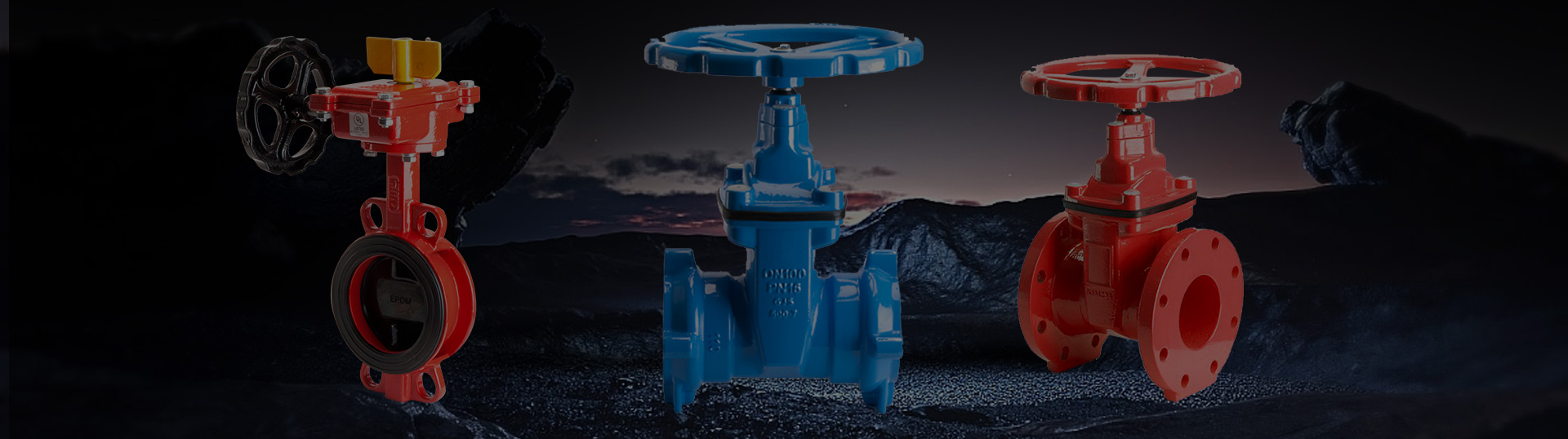
Fire protection pipe fittings are pipe connection components used in fire protection systems. They mainly include elbows, tees, and crosses, and are made of materials including carbon steel, galvanized steel, and stainless steel. Connection methods primarily include threads, grooves, and flanges. They are widely used in fire water supply and gas extinguishing systems. Classification and Core Uses Fire protection pipe fittings are classified into the following types according to function, all of which must comply with national standards such as GB/T 5135.20:
Elbows: Change the direction of the pipe, available in angles such as 45° and 90°, suitable for building structural avoidance.
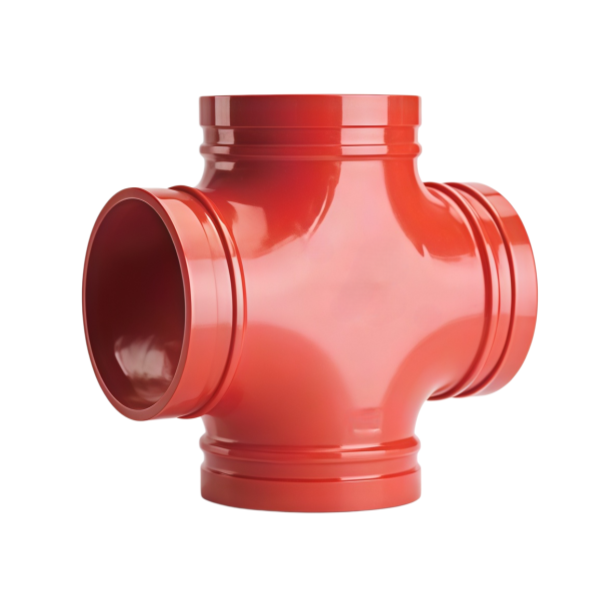
Tees/Crosses: Enable pipe branching; equal diameter types are used for balanced flow distribution, while reducing types adapt to transitions between different pipe diameters.
Reducers: Connect pipes of different diameters, divided into concentric (same height) and eccentric (height difference) types, solving pressure gradient problems. Pipe clamps and flanges: Pipe clamps (clamps) are used for quick fastening of pipes of the same diameter. Flanges are used to connect equipment or large-diameter pipes (DN>100mm). Sealing gaskets are required to prevent leakage.
Model Specifications and Standards
Nominal Diameter Range: DN15 (4 points) to DN300, where:
Fire Hydrant System: Riser ≥DN100, Sprinkler Pipe ≥DN25.
Gaseous Fire Extinguishing System: High-pressure fittings with a working pressure of 17.2MPa and a test pressure of 26MPa (e.g., heptafluoropropane system).
Material and Wall Thickness Requirements:
Galvanized Steel Pipe: Low-pressure systems (≤1.2MPa) wall thickness ≥3.4mm (DN50); high-pressure systems use thickened steel pipes.
Stainless Steel Pipe: Preferred for high-rise buildings, temperature resistant -30℃~80℃.